

To keep 75% attendance, you can miss 25% of the total classes conducted per semester. For example, for a total of 100 lectures, you must attend 75, so you can miss 25. But the exact minimum percentage can be risky for exam eligibility and other things.
One unexpected leave or illness can be a reason for attendance shortage, so follow your school, college, and university rules. The best and easiest way is to use an attendance calculator. Enter your total classes and attend classes, select the percentage, and boom, you will see your percentage instantly.
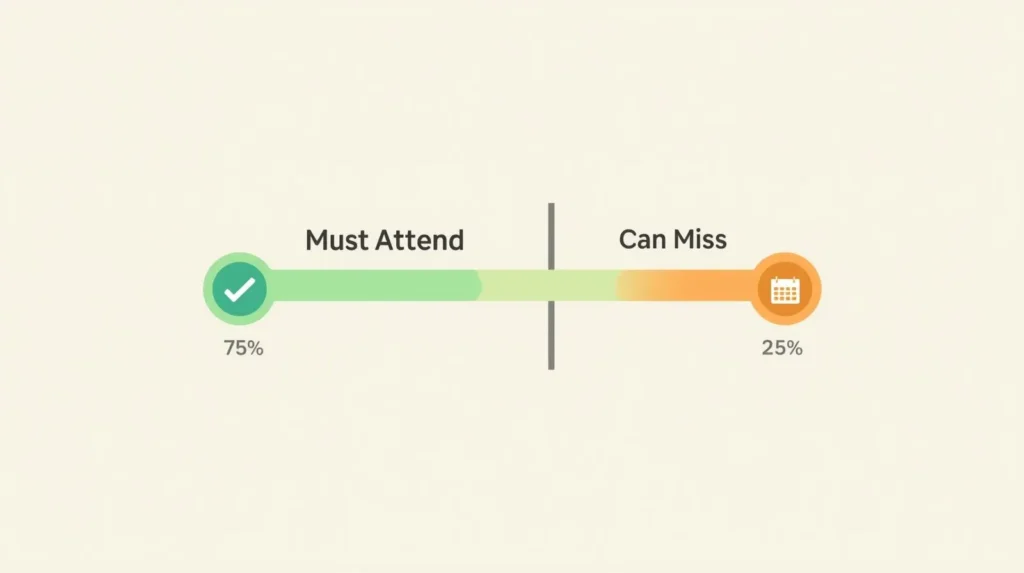
Understanding the 75% Attendance Requirement
Many students think seventy-five percent is the target; they just want to achieve and relax. But in reality, most institutions mark this minimum survival line, not a place to relax.
Under the academic policy, institutes strictly follow attendance criteria, and presence is often considered mandatory attendance.
All lecture hours, such as “theory, tutorials, labs,” may be counted, so your attendance percentage can fall quickly. Many teachers also link this to internal assessment, it means one more absence becomes an issue.
The Basic Formula Behind Allowed Holidays
There is no rocket science, just calculating attendance using a simple percentage formula. Divide your attendance by the total number of classes, and then multiply by 100. Now you know your percentage.
Once you know your percentage, the difference between your attended classes percentage and the required one tells you how many classes you can bunk, while maintaining the required percentage. And if you don’t want manual calculation, you can also use our attendance calculator.
Example Calculations (VERY IMPORTANT SECTION)
Numbers feel scary until you see them in real situations that most students face during the term. So rather than theory, let’s look at semester examples. Once you link them with your timetable, you will notice how fast percentages change.
Case A → 100 classes
If you have a total of 100 classes, you need to attend 75 to stay in the safe zone. It means you can bunk or miss 25. Sounds comfortable, for example, if the term is around 5 months, those 25 days become only around 5 days per month. If you miss more than that, you will face problems
Case B → 60 classes
Here, you must be present for 45 minutes to stay out of danger. You can only skip 15. Maybe you miss two or three classes because the lecture looks simple, so you decide not to go, and some are late. Suddenly, before you know it, there are no more classes left, so it becomes a problem.
Case C → 180 classes
A big semester means big numbers. You must present 135 days. Yes, 45 Holidays look huge, but all total classes, illness, surprise events, and festivals can eat into them before you realize.
Case D → mid-semester situation
Half-term has already passed. The calendar shows you 90 classes completed, and your attendanceis not good. Now recovery becomes harder; any future upcoming classes must be 100% accurate, because you have limited time. If you make a single mistake, it will become a huge problem.
Monthly & Weekly Leave Planning
Now this is where smart thinking starts. Instead of looking at the complete semester, break it down by monthly length and your normal weekly schedule. Now you feel numbers feel easier to manage
At the start of the month, everything looks easy. But when holidays pass, the remaining classes shrink more quickly than you expected. Even adding a small sick leave, it will become an issue.
Which is why you have to look at things week by week because it makes life easier or simpler. See problems early and solve them before they become big. Taking one day of missed class is usually okay, but missing many classes together so you can face the problem.
The Hidden Risk of Using the Full 25%
Utilizing all leave margins can feel good. Even if permitted, why not? Because life doesn’t go the way we plan.
You suddenly need a medical leave, transport problems, an unexpected emergency absence, and a surprise test you did not expect. It will drop your percentage quickly. Once your attendance falls, it may increase.
You may get a shortage notice, your name might show up on a detention list, and asked to pay a fine. In some serious situations, they don’t allow students to sit on exams and tell them, you need to reappear in exams.

Subject-Wise vs Overall Attendance (POWER SECTION)
Now, here is where a lot of students get confused. They think that if the total percentage is okay, then everything is in a safe zone. but not always.
Because some institutes calculate the percentage separately. Which means being absent from too many classes, such as theory lectures and practical classes, can create problems. Does not matter how good your overall number is.
It also depends on the institute’s rules. One short subject and stress starts. So don’t see the total, also check on each class too.
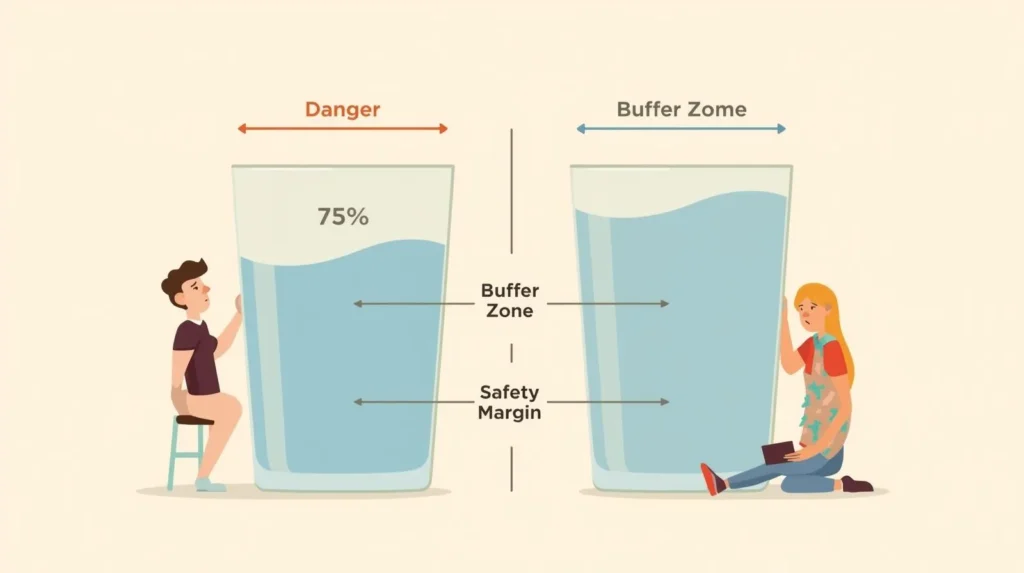
Why Smart Students Keep a Safety Buffer
Smart students don’t want to only get a minimum percentage. They always try to stay at a safe percentage, so one week that has low attendance does not hurt them.
This extra margin is called buffer attendance. It helps you in risk management, and when you’re ill, traveling, or come surprise problems. They relaxed while others panic, because they already did better semester planning.
What Happens If You Cross the Limit
You can face trouble while submitting the exam form, or getting your document those important for exams, such as admit card and hall ticked=t and, etc., and in some cases students need principal approval or must apply for condonation so that they can sit in exams.
But there is no 100% guarantee it will be accepted. So if you reach the limit, you will face many issues.
Easiest Way to Know Your Exact Safe Leave
Instead of guessing or manual calculation, use an attendance calculator. Just enter your numbers, select the percentage, and you will get the result instantly.
It also helps you bunk planning because this tool displays how many classes can bunk if your percentage is good. No confusion, no manual effort, no risky assumptions, save time and see clear answers.
Pro Tips Before Taking a Holiday
Thinking about bunk class? Wait for a moment. First, check if there are any important lectures planned. Missing an important topic can hurt you later.
Also, check out surprise quizzes or an assignment submission. Many students lose marks here, not because they didn’t study, but because they were not present. Some institutes are strict, and they may not give any option.
Conclusion – Stay Relaxed, Stay Planned
With regular attendance tracking and little awareness, you can control attendance from day one. Utilizing a smart plan moves you toward academic success and helps you have stress-free semesters. Always alert, start calculations at an early stage, and avoid last-minute panic.